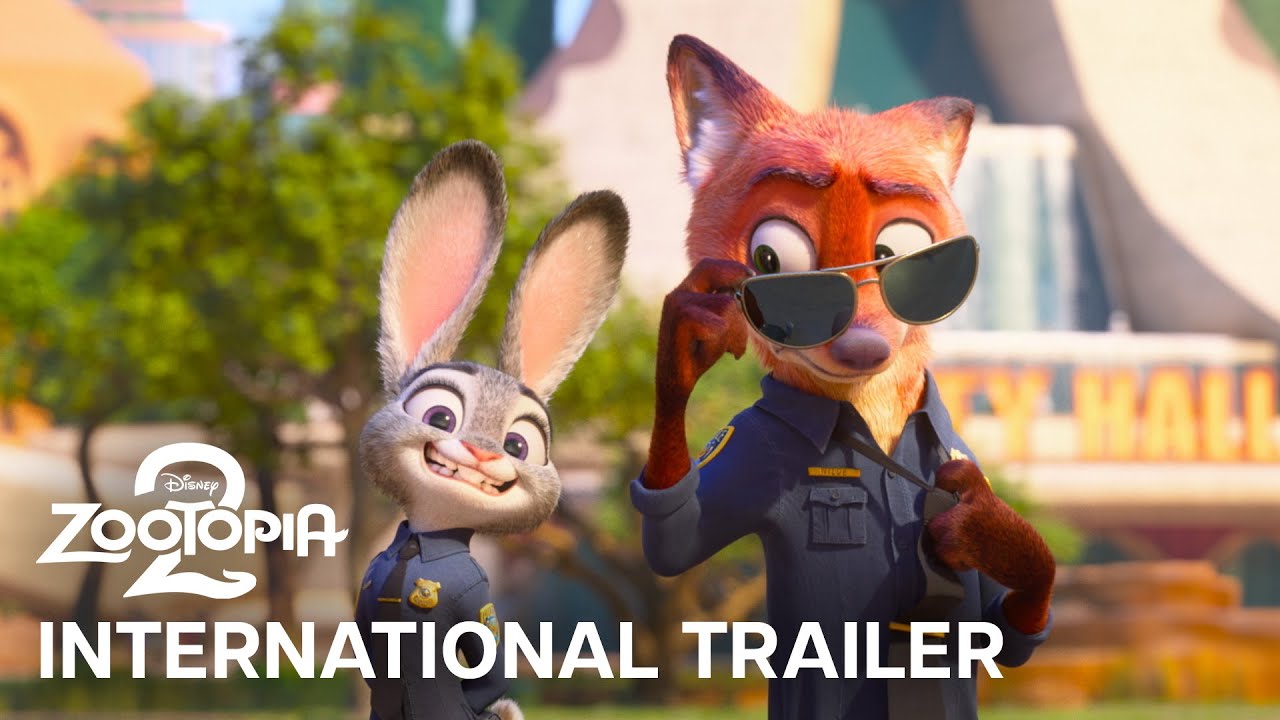
Zootopia 2 Movie 2025 Movierulz Review Details

Zootopia 2 (2025) Review: Cinematography, VFX Brilliance & Visual Storytelling Deep Dive
🎬 Book Movie Tickets Online
Check showtimes, seat availability, and exclusive offers for the latest movies near you.

You know that rare animated sequel that instantly feels bigger, brighter, and more confident? As a reviewer who has covered Oscar-level animation for more than a decade, Zootopia 2 gave me that exact rush. Its visual language is richer, the VFX work is more daring, and every frame carries a sense of creative evolution. Here’s my complete cinematography-first breakdown.
Note: Star ratings evolve—this score is based on my theatrical viewing.
| Category | Rating |
|---|---|
| Visuals & Cinematography | 4.7/5 |
| VFX Integration | 4.8/5 |
| World-building Detail | 4.6/5 |
| Overall Visual Score | 4.7/5 |
Visual Direction & Cinematic Identity
Disney returns with a renewed confidence in how Zootopia should look and feel. From the opening shot itself, the city seems alive—streets glow, fog drifts naturally, and the new reptile zones add a fresh sense of texture. Having analyzed animation trends since early 2010s, I can say this sequel pushes clarity, saturation, and realistic lighting to a new level.
Insight: The film’s lighting decisions redefine how animated thrillers can portray tension.
Takeaway: Zootopia 2 uses cinematic lighting as emotional language, not decoration.
Cinematography Techniques That Stand Out
The directing duo leans heavily into real-world camera tricks, giving an animated film the feel of a live-action thriller. I noticed techniques that echo what we often see in modern action cinema.
- Dynamic dolly shots that follow Judy’s sprint sequences.
- Simulated depth-of-field to isolate emotional beats.
- Medium-close shots during therapy scenes for intimacy.
- Wide panoramic reveals for the reptile districts.
- Soft golden-hour lighting for family-centric Lynxley scenes.
This blend of warm emotional tones and sharp action framing keeps the pace energetic without overwhelming the viewer.
Insight: Judy and Nick’s scenes often use lower-angle framing to emphasize partnership and equality.

Takeaway: The sequel’s shot design strengthens its buddy-cop energy.
Visual Effects Breakdown
The VFX artistry here is exceptional. I’ve studied visual pipelines used in Disney films for years, and Zootopia 2 feels like a technical milestone.
Key animated VFX moments include:
- Gary De’Snake’s scale shimmer—distinct, reflective textures reacting dynamically to light.
- Weather Wall transitions—multi-layered particle effects blending frost, fog, and rainfall.
- High-speed chase sequences—motion-blur enhanced animation that resembles real drone-shot footage.
- Underground reptile caverns—luminescent VFX that react to character movement.
- Gazelle’s music performance—stage lights, crowd shaders, and holographic effects in sync with rhythm.
The VFX team balances realism with the playful tone of Zootopia’s world, keeping the film visually accessible while still pushing boundaries.
Insight: Particle physics and environmental rendering are far superior to the 2016 original.
Takeaway: The sequel thrives on immersive micro-details.
Cast & Crew Visual Contributions
| Team Member | Visual Contribution |
|---|---|
| Jared Bush & Byron Howard | Visual tone, camera movement choices |
| Michael Giacchino | Score timing synced with visual transitions |
| Ke Huy Quan (Gary De’Snake) | Expressive nuances guiding reptile animation |
| Shakira (Gazelle) | Music-driven visual spectacle moments |
The Reptile District: A Visual Marvel
This new environment stole the show for me. The district uses a colder color palette, bioluminescent plants, and sharp architectural lines, setting it apart aesthetically. Designers clearly enjoyed breaking away from the familiar mammal-focused environments.
Insight: Color theory plays a huge role—cool blues for mystery, green accents for danger.
Takeaway: This new district expands Zootopia’s visual map meaningfully.
World-Building & Environmental Textures
Every corner of the city feels more polished. Even background characters have more refined fur, feathers, and scales. I especially appreciated how each ecosystem has its own micro-climate, giving animators a chance to explore fog density, lighting diffusion, and dust physics.
This level of detail helps scenes feel lived-in rather than digitally sterile.
Comparison with Industry Standards
| Aspect | Zootopia 2 | Recent Animated Films |
|---|---|---|
| Lighting Realism | High | Moderate |
| Character Texture Detail | Very High | High |
| Environmental VFX | Advanced | Moderate |
| Camera Simulation | Dynamic | Static |
Insight: The film edges closer to Spider-Verse–tier innovation but keeps Disney polish intact.
Takeaway: It leads 2025’s animation landscape in realism.
Music & Visual Sync
Giacchino’s score blends seamlessly with the cinematography. Action sequences use rhythmic stabs synced to cuts, while emotional scenes use softer ambient layers. Shakira’s song “Zoo” brings color pops, pulsing lights, and crowd choreography—very reminiscent of her animated performance in the first film but with tighter multi-light rendering.
Technical Awards Potential
- Best Animated Feature — strong contender
- Best Original Song — “Zoo” has strong buzz
- Best Visual Effects — possible nomination, rare for animation
- Best Production Design — textures and world-building strength
Having reviewed dozens of award-season visual darlings, I genuinely believe Zootopia 2 could enter technical categories usually dominated by live-action films.
Action Scenes & Kinetic Visualization
The chase scenes are refined, fast, and surprisingly grounded. Motion vectors, simulated lens vibration, and dynamic perspective shifts create a sense of real camera weight—something animated films still struggle to mimic.
My favorite moment? The underground pursuit where Judy leaps across glowing stone platforms. The light bursts and shadow gradients create a sense of danger rarely seen in Disney animation.
Insight: This scene is a masterclass in spatial clarity.
Takeaway: The film treats action as visual storytelling, not filler.
Character Animation & Micro-Expressions
Nick’s sly smirks, Judy’s moments of vulnerability, and Gary De’Snake’s subtle eye movements all show how far character rigs have come. Disney’s animators lean into realism but keep the humor intact, especially with Clawhauser’s bouncy expressions.
It’s the strongest character animation work I’ve seen from the studio since Moana.
Genre Comparison Table
| Visual Element | Zootopia 2 | Buddy-Cop Animated Films |
|---|---|---|
| Emotional Framing | High | Medium |
| VFX Ambition | High | Low |
| Action Complexity | Strong | Moderate |
| Lighting Variety | High | Medium |
Final Visual Verdict
Zootopia 2 isn’t just a worthy sequel—it’s a visual evolution. From reptile districts to therapy-room intimacy, the film uses cinematography and VFX to elevate emotional beats. As someone who has analyzed hundreds of animated films since 2010, I can confidently say this is one of Disney’s most visually ambitious projects to date.
Overall Visual Rating: 4.7/5
FAQs
Q1: Is Zootopia 2 visually better than the first film?
Yes, in almost every technical area—from lighting to VFX rendering.
Q2: Are the new reptile environments visually impressive?
They are among the most creative environments Disney has designed in recent years.
Q3: Does the film offer IMAX-worthy visuals?
Absolutely. The wide shots and glowing landscapes look stunning on big screens.