JOCKEY Movie 2026 Movierulez Review Details
Jockey (2026) Review – A Gritty Ride or Just Another Underdog Story? The Real Analysis

As a critic who has seen countless sports dramas chase the same finish line, I walked into the world of Jockey with a healthy dose of skepticism. Can a film truly find a fresh stride in the well-trodden track of the underdog narrative?
The Core Conflict
🎬 Book Movie Tickets Online
Check showtimes, seat availability, and exclusive offers for the latest movies near you.

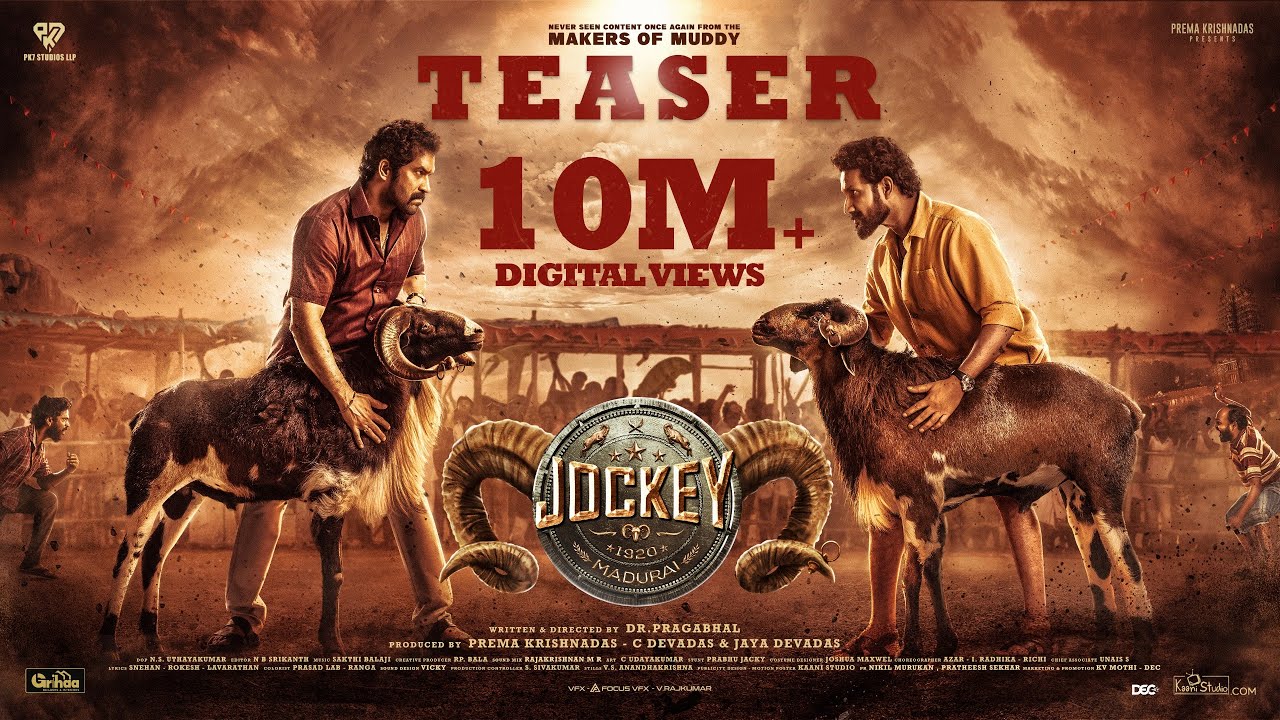
Jockey is a Tamil action-adventure drama that plunges into the high-stakes, sun-baked world of professional horse racing. It follows a young, gifted rider (Yuvan Krishna) whose raw talent is his only currency in a circuit governed by corrupt bookies, vicious rivals, and crushing familial debt.
His quest for glory becomes a tightrope walk between survival and redemption.
| Role | Name |
|---|---|
| Director / Writer | Dr. Pragabhal |
| Lead Actor (Jockey) | Yuvan Krishna |
| Lead Actress | Ammu Abhirami |
| Antagonist / Rival | Ridhaan Krishnas |
| Music Composer | Sakthi Balaji |
| Cinematographer | N.S. Uthayakumar |
Who Is This Movie For?
This film squarely targets the youth demographic and sports drama enthusiasts. If you crave the adrenal rush of trackside competition paired with familiar emotional beats of sacrifice, it delivers.
Fans of Yuvan Krishna and Ammu Abhirami will find compelling reasons to watch. However, cinephiles seeking profound narrative innovation may find the path a bit predictable.
Script Analysis: Pace Over Poetry
The screenplay by Dr. Pragabhal understands its genre well. It moves with a propulsive, no-nonsense rhythm, efficiently establishing the protagonist’s world, his debts, and his rivals.
The logic of the racing world—the fixes, the sabotage, the desperation—is established with credible grit. However, the pacing sometimes comes at the expense of subtlety.

Transitions between high-octane race sequences and domestic drama can feel abrupt, servicing plot momentum over organic flow. It’s a script built for visceral impact rather than layered contemplation.
Character Arcs: The Ride of a Lifetime?
Yuvan Krishna’s jockey undergoes a clear, classic transformation from a talent-driven opportunist to a principled sportsman. The arc is visible and satisfying, if not revolutionary.
Where the film shines is in the quieter moments with Ammu Abhirami’s character, who provides the emotional ballast and a glimpse into a life beyond the track.
The rival, played with fiery intensity by Ridhaan Krishnas, unfortunately remains largely a function of the plot—a formidable obstacle, but one whose motivations aren’t explored beyond surface-level envy and greed.
The most growth is reserved for the protagonist, leaving the supporting cast in defined, static roles.
The Climax Impact: Crossing the Finish Line
The final race sequence is a technical marvel, a crescendo of sound, speed, and edited chaos that delivers on the film’s core promise. Does the ending satisfy?
On a pure, genre-fulfilling level, absolutely. It ties the personal and professional stakes together in a cathactic, crowd-pleasing moment. However, its unwavering commitment to a triumphant, redemptive resolution may feel too neat for some, sidestepping the more complex, morally grey questions the film occasionally brushes against.

It chooses heart over ambiguity.
| What Worked | What Didn’t |
|---|---|
| The relentless, engaging pacing of the central sports drama. | Formulaic plot beats that offer few surprises. |
| Strong physical performances from the lead trio. | Underwritten antagonist and supporting roles. |
| Effective establishment of the high-stakes racing ecosystem. | Abrupt tonal shifts between track action and family scenes. |
Writer’s Execution: Functional Dialogue
The dialogue, polished by Surya Bala, serves its purpose. In the stable and on the track, it has a rough, credible texture. The motivational speeches from the mentor and the heated exchanges between rivals land with the required force.
However, it rarely ascends to memorable or poetic. The romantic and familial interactions can slip into conventional territory, relying on established shorthand rather than crafting uniquely voiced characters.
It’s dialogue that drives the engine but doesn’t necessarily adorn it.
Miss vs Hit Factors
The hit factor is undeniably the film’s immersive, sensory experience. When it focuses on the sheer physicality and peril of horse racing, it is utterly compelling.
The misses stem from its reluctance to delve deeper. The corruption subplot is a familiar villain, and the emotional conflicts are resolved with traditional cinematic grammar.
The film hits its marks with professional precision but often misses the opportunity to subvert expectations or add a layer of genuine thematic grit to match its visual texture.

Technical Brilliance: The True Star
This is where Jockey truly gallops ahead. N.S. Uthayakumar’s cinematography is stunning, using anamorphic lenses to capture the dust, sweat, and golden-hour glow of the stables with a palpable sense of place.
The race sequences are kinetic masterclasses in editing (N.B. Srikanth) and sound design (Vicky). You feel every hoofbeat and crowd roar. Sakthi Balaji’s score is a character in itself, seamlessly blending high-tempo race anthems with poignant emotional themes, elevating every key moment.
| Aspect | Rating / Comment |
|---|---|
| Story Originality | 6/10 – Classic underdog template, executed with energy. |
| Visual Immersion | 9/10 – Cinematography and sound are award-worthy. |
| Character Depth | 6.5/10 – Lead arc works; others are functional. |
| Pacing & Editing | 8/10 – Tight, propulsive, especially in race segments. |
| Emotional Payoff | 7/10 – Satisfying if you buy into the classic formula. |
Frequently Asked Questions (FAQs)
Is the horse racing portrayed realistically?
Yes, the film excels in its visceral, ground-level portrayal of the jockey’s peril and skill. The use of practical stunts and immersive sound design sells the authenticity of the sport.
Does the film end on a cliffhanger?
No. Jockey provides a complete, definitive, and satisfying conclusion to its central narrative, leaving no threads dangling for a sequel.
Is it suitable for family viewing?
While not overly graphic, the film deals with themes of corruption, debt, and intense sports rivalry. It’s best suited for older children and adults due to its high tension and complex social dynamics.
This analysis is based on the theatrical experience and cinematic merit.