Gharga Movie 2025 Movierulez Review Details
Gharga Review – A Supernatural Slog or Sandalwood’s Scariest Triumph? The Real Analysis

Having sat through a decade of horror tropes, I ask: can a film truly terrify when its premise feels pre-sold? Gharga answers with a chilling, atmospheric yes, but not without a few spectral stumbles along the way.
🎬 Book Movie Tickets Online
Check showtimes, seat availability, and exclusive offers for the latest movies near you.

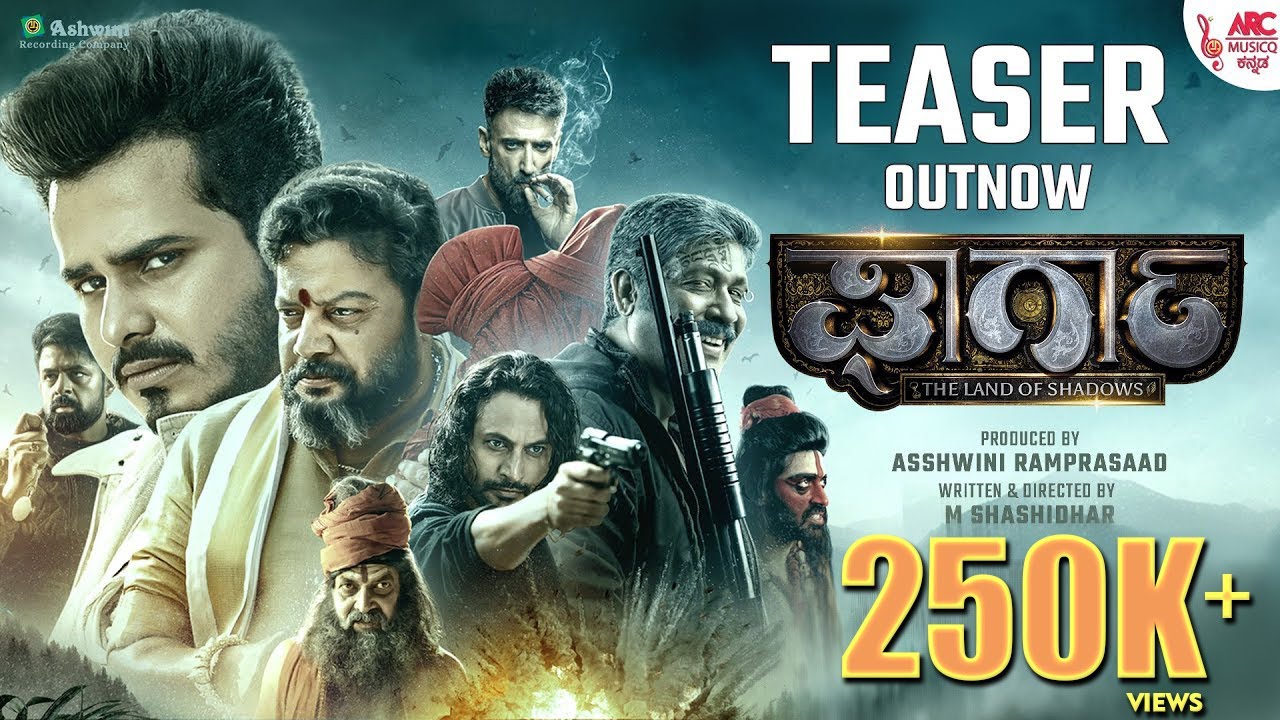
A man stumbles into the cursed village of Gharga, witnessing a ritual murder that unleashes ancient spirits. To survive, he must unravel generations of tribal betrayal and confront the literal shadows that consume the living.
| Role | Name |
|---|---|
| Lead Actor | Arun Ramprasad |
| Director/Editor | M. Shashidhar |
| Veteran Cast | Sai Kumar, Sampath Raj |
| Music Directors | Gurukiran, R.P. Patnaik |
| Cinematographer | Guru Prasad Narnad |
Who Is This Movie For?
This is for the horror fan who values mood over gore, and the Sandalwood viewer craving a technically polished genre entry. If you loved the folk-horror undertones of ‘RangiTaranga’ but wished for a more relentless, action-infused pace, Gharga is your ticket.
It will frustrate those seeking airtight logic or radically new plot beats. The film banks on execution over innovation, delivering familiar chills with exceptional craft.
Script Analysis: The Flow of Fear
Shashidhar’s script is a masterclass in sustained dread, but its architecture shows cracks. The first act is a tightly wound spring, plunging the protagonist into the nightmare with efficient brutality. The lore of Gharga is dispensed in tantalizing fragments, keeping the mystery compelling.
However, the second act succumbs to exposition dumps. The necessary explanations of blood oaths and generational sins momentarily halt the film’s predatory momentum, trading visceral fear for historical homework.
The pacing recovers with well-timed jump scares and chase sequences, yet the structural sag is felt.

Character Arcs: From Prey to Predator?
Arun Ramprasad’s protagonist follows a classic survivalist arc, but his journey is textured by genuine unraveling. He isn’t just running; he’s psychologically eroding, which Ramprasad conveys through hollowing eyes and frantic physicality.
His growth isn’t about becoming a hero, but about embracing a primal, desperate cunning.
Sai Kumar provides the anchoring gravitas, his character a repository of the village’s grim history. Sampath Raj and Rahul Dev are effectively menacing, though their roles are more archetypal—the brutal enforcer and the occult mastermind.
The supporting cast, including Dev Gill and Sravan Raghavendra, serve their purposes but remain defined by the plot’s needs rather than deep internal journeys.
The Climax Impact: A Satisfying Exorcism?
The finale in Gharga’s core cavern is where the film’s technical prowess and narrative themes violently converge. It wisely avoids a simplistic victory. The resolution is costly, soaked in sacrifice, affirming the film’s central theme: the past is a hungry ghost.
It delivers visceral satisfaction through stunning VFX-aided confrontations and emotional closure for the central curse. While some may find its beats predictable, the execution—through sound, shadow, and score—makes it a profoundly impactful cinematic experience.
| What Worked | What Didn’t |
|---|---|
| Atmospheric dread & low-light cinematography | Pacing dips in exposition-heavy middle |
| Arun Ramprasad’s committed, physical lead performance | Comic relief that undercuts tension |
| Gurukiran & R.P. Patnaik’s haunting, immersive score | Familiar horror tropes risk predictability |
| Seamless VFX that enhances, not overwhelms | Some character motivations feel secondary |
Writer’s Execution: Dialogue in the Dark
The dialogue, credited to Nagendra Prasad, Shankar, and Chethan Kumar, serves two masters: regional authenticity and propulsive plot delivery. The lines around folklore and curse are effectively weighty, especially when delivered by Sai Kumar.

The everyday exchanges feel grounded, which makes the descent into supernatural chaos more believable.
Where it occasionally falters is in the explanatory passages, turning poetic menace into clunky instruction. Yet, for the most part, the writing is a strong scaffold upon which the atmosphere hangs.
Miss vs Hit Factors: The Delicate Balance
The hit is undeniable: atmosphere. Gharga succeeds because it builds a world you can feel—the damp, the fog, the oppressive silence broken by unnatural sounds. This is a hit of directorial vision and technical synergy.
The miss is narrative originality. The plot navigates well-worn paths of rural curses and vengeful spirits. Its triumph is not in the ‘what’ but the ‘how’. The film sometimes leans on jump-scare crutches when its ambient terror is more than enough to unsettle.
Technical Brilliance: The Soul of the Scare
This is where Gharga ascends. Guru Prasad Narnad’s cinematography is the film’s nervous system. His use of practical fog, infrared textures, and a desaturated palette pierced by ritualistic reds is exquisite.
The sound design by L. Satish Kumar is a character itself—a Dolby Atmos landscape of whispers, distant drums, and sudden, bone-jarring roars.
Gurukiran and R.P. Patnaik’s score doesn’t just accompany the fear; it catalyzes it. The editing by director Shashidhar is sharp, syncing cuts to the audience’s heartbeat. The VFX, led by Bhaskar, is subtle and chilling, making the supernatural feel unnervingly present.

| Aspect | Rating/Comment |
|---|---|
| Story & Originality | 7/10 – Familiar folklore, executed with conviction. |
| Visual Atmosphere | 9/10 – Cinematographic mastery defines the horror. |
| Sound & Score | 9/10 – An auditory nightmare of the highest order. |
| Pacing & Editing | 7.5/10 – Tight, but stumbles in the second act. |
| Overall Impact | 8/10 – A standout genre film that elevates its material. |
Frequently Asked Questions (FAQs)
What is the curse of Gharga based on?
The film draws from Kannada folkloric concepts of ‘Pishachis’ (malevolent spirits) and the idea of lands cursed due to broken tribal oaths and sacrificial sins, giving it a regionally authentic horror foundation.
Is Gharga more scary or action-oriented?
It is a hybrid. The core is atmospheric psychological horror, but it is punctuated by well-choreographed, brutal physical chases and confrontations, blending the two genres effectively.
Does the ending set up a sequel?
No. The climax provides a definitive, costly resolution to the central curse. While the world of Gharga is rich, the story presented feels complete and self-contained.
This analysis is based on the theatrical experience and cinematic merit.