Parasakthi Movie 2026 Movierulez Review Details
Parasakthi (2026) Review – A Fiery Historical Epic or Just Star-Studded Nostalgia? The Real Analysis

Having witnessed Sudha Kongara’s masterful grip on socio-political narratives in ‘Jai Bhim’ and ‘Soorarai Pottru,’ I entered ‘Parasakthi’ with a critic’s skepticism: can a mass hero-led period piece truly honor the raw, complex history of the 1965 Anti-Hindi agitations?
The Core Conflict
🎬 Book Movie Tickets Online
Check showtimes, seat availability, and exclusive offers for the latest movies near you.

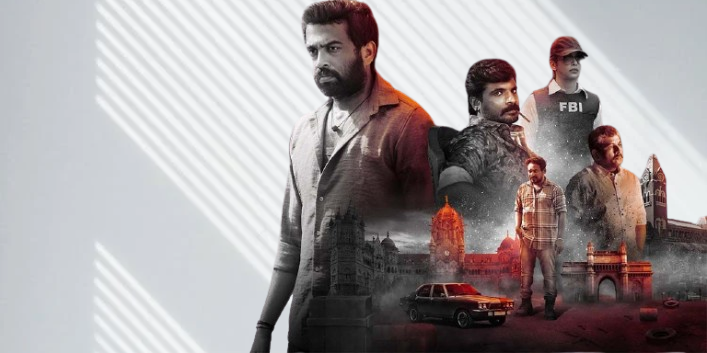
‘Parasakthi’ chronicles the fiery journey of two brothers, Chezhiyan and Chinnadurai, whose college lives are irrevocably shattered when the imposition of Hindi as a mandatory language ignites a state-wide firestorm.
Their personal rebellion, set against the backdrop of real political figures and brutal police crackdowns, becomes a microcosm of Tamil Nadu’s defining fight for linguistic identity.
| Role | Name |
|---|---|
| Chezhiyan | Sivakarthikeyan |
| Thirunaadan ‘Thiru’ | Ravi Mohan |
| Chinnadurai | Atharvaa |
| Ratnamala | Sreeleela |
| M. Karunanidhi | Guru Somasundaram |
| Director | Sudha Kongara |
| Music | G.V. Prakash Kumar |
| Cinematography | Ravi K. Chandran ISC |
Who Is This Movie For?
This film is a direct hit for audiences seeking a potent blend of history and high-stakes drama. It’s for the Tamil diaspora craving a visceral connection to their roots, and for the mainstream viewer who wants their socio-political commentary served with star power, rousing music, and gripping action.
If you appreciated the textured realism of ‘Madras’ or the inspirational fervor of ‘Soorarai Pottru,’ this is your Pongal feast.
Script Analysis: The Tightrope Walk of History & Hysteria
Kongara and her writing team perform a delicate dance. The screenplay’s greatest strength is its foundational architecture, rooting a familial saga within meticulously researched historical beats.
The logic of the protest escalation—from campus debates to full-blown riots—feels organic, not contrived.
Pacing, however, is a conscious gamble. The 161-minute runtime allows for a slow-burn first act, establishing the brothers’ contrasting ideologies. This deliberate build-up pays dividends in emotional capital later but may test viewers conditioned for instant gratification.

The script smartly uses Ratnamala’s character not just as a romantic interest, but as the emotional barometer for the cost of rebellion on domestic life.
Character Arcs: From Naivety to Nationhood
Sivakarthikeyan’s Chezhiyan undergoes the most visible metamorphosis. He sheds the skin of a carefree student to embody the defiant, almost obsessive spirit of the movement. It’s a performance of calculated rawness. More compelling, however, is the internal conflict of Ravi Mohan’s Thiru.
As the elder brother tethered by familial duty, his arc is a quiet masterclass in suppressed turmoil. His pragmatic resistance to Chezhiyan’s fervor creates the film’s most potent ideological tension.
Atharvaa’s Chinnadurai serves as the tragic bridge between these two poles, his journey representing the innocent collateral damage of ideological wars.
The Climax Impact: Sacrifice Over Spectacle
Kongara resists the temptation for a purely triumphant, flag-waving finale. Instead, the climax is a somber cocktail of pyrrhic victory and profound personal loss, set against the ironic backdrop of the Pongal festival. This choice is the film’s boldest and most successful gamble.
It satisfies not with a cheap thrill, but with a heavy, resonant truth: historical change is often cemented not by unblemished heroes, but by unbearable sacrifice. The final moments linger, shifting the film from a mere recreation of events to a poignant memorial for its unseen casualties.
| What Worked | What Didn’t |
|---|---|
| Historical grounding of personal conflict | Pacing in first act risks being too deliberate |
| Nuanced brotherly dynamic over simplistic heroism | Some star cameos feel narratively decorative |
| Climax prioritizing emotional cost over jingoism | Melodrama occasionally threatens subtlety |
| Authentic 1960s milieu in design and dialect | Sreeleela’s role, while strong, is periphery to core male arc |
Writer’s Execution: Dialogues That Cut and Soar
Madhan Karky’s dialogues are the film’s incendiary heart. They avoid hollow sloganeering, instead crafting lines that are both poetically charged and politically sharp.
The debates between the brothers crackle with the tension of lived experience, not textbook rhetoric. The protest sequences are elevated by chants and speeches that feel excavated from the era, delivering their power through specificity and raw emotion rather than volume alone.

Miss vs Hit Factors: The Balance of a Blockbuster
The hit factors are monumental. Kongara’s authoritative direction, Sivakarthikeyan’s transformative commitment, and Ravi K. Chandran’s camera that treats history with both grit and grandeur create an immersive experience.
The decision to frame a state-wide movement through a single family’s fracture gives the epic scale a relatable heartbeat.
The miss factors are those of slight compromise. The commercial mandate sometimes softens the depicted brutality of state suppression. The runtime, while mostly earned, could have been tightened by integrating the cameos (Rana Daggubati, Basil Joseph) more seamlessly into the central narrative fabric, rather than as appealing detours.
Technical Brilliance: A Time Machine Built with Light and Sound
Ravi K. Chandran’s cinematography is a character in itself. The palette shifts from the warm, hopeful sepia of early college days to the stark, high-contrast shadows of prison cells and night-time protests.
G.V. Prakash Kumar’s score is his career-best, weaving Carnatic strains with gaana rhythms and anthemic rock to create a sonic tapestry of rebellion.
The sound design by Suren G is immersive to the point of being unsettling—the visceral thud of lathis and the chaotic roar of crowds place you squarely in the danger zone.
Editor Sathish Suriya maintains a clear through-line amidst the narrative sprawl, and the production design meticulously resurrects 1960s Madras without a hint of artifice.
| Aspect | Rating/Comment |
|---|---|
| Historical Narrative | 9/10 – Respectfully dramatized, emotionally anchored |
| Visual Authenticity | 10/10 – A flawless recreation of period and mood |
| Performance Depth | 8/10 – Led by Sivakarthikeyan’s powerful pivot |
| Musical Impact | 10/10 – GV Prakash’s defining work, essential to plot |
| Commercial Appeal | 8/10 – Balances mass elements with sobering history |
Frequently Asked Questions (FAQs)
Is ‘Parasakthi’ based on a true story?
Yes. It is a fictionalized narrative deeply embedded within the very real 1965 Anti-Hindi imposition agitations in Tamil Nadu, featuring historical figures like Annadurai and Karunanidhi.

How does Sivakarthikeyan perform in this serious role?
He delivers a career-defining performance, successfully shedding his comic persona to portray a layered, fervent, and physically transformative character arc from youth to leader.
Does the film take a biased political stance?
While it is inherently sympathetic to the Tamil preservation cause, the film’s focus is more on the human cost of linguistic hegemony and the spirit of resistance, rather than partisan politics.
It presents the emotional rationale of the protestors with compelling force.
This analysis is based on the theatrical experience and cinematic merit.